Understanding Fence Heights: Finding the Perfect Balance Between Privacy and View May 02, 2026
In residential areas, privacy is often the primary concern when choosing a fence height. Most homeowners prefer fences that are tall enough to provide a comfortable level of privacy without feeling overly enclosed. Standard privacy fences generally range between six to eight feet tall, effectively blocking unwanted views and ensuring privacy from neighbors and passersby. However, it's crucial to consider local regulations, as many municipalities have ordinances that dictate maximum fence heights.
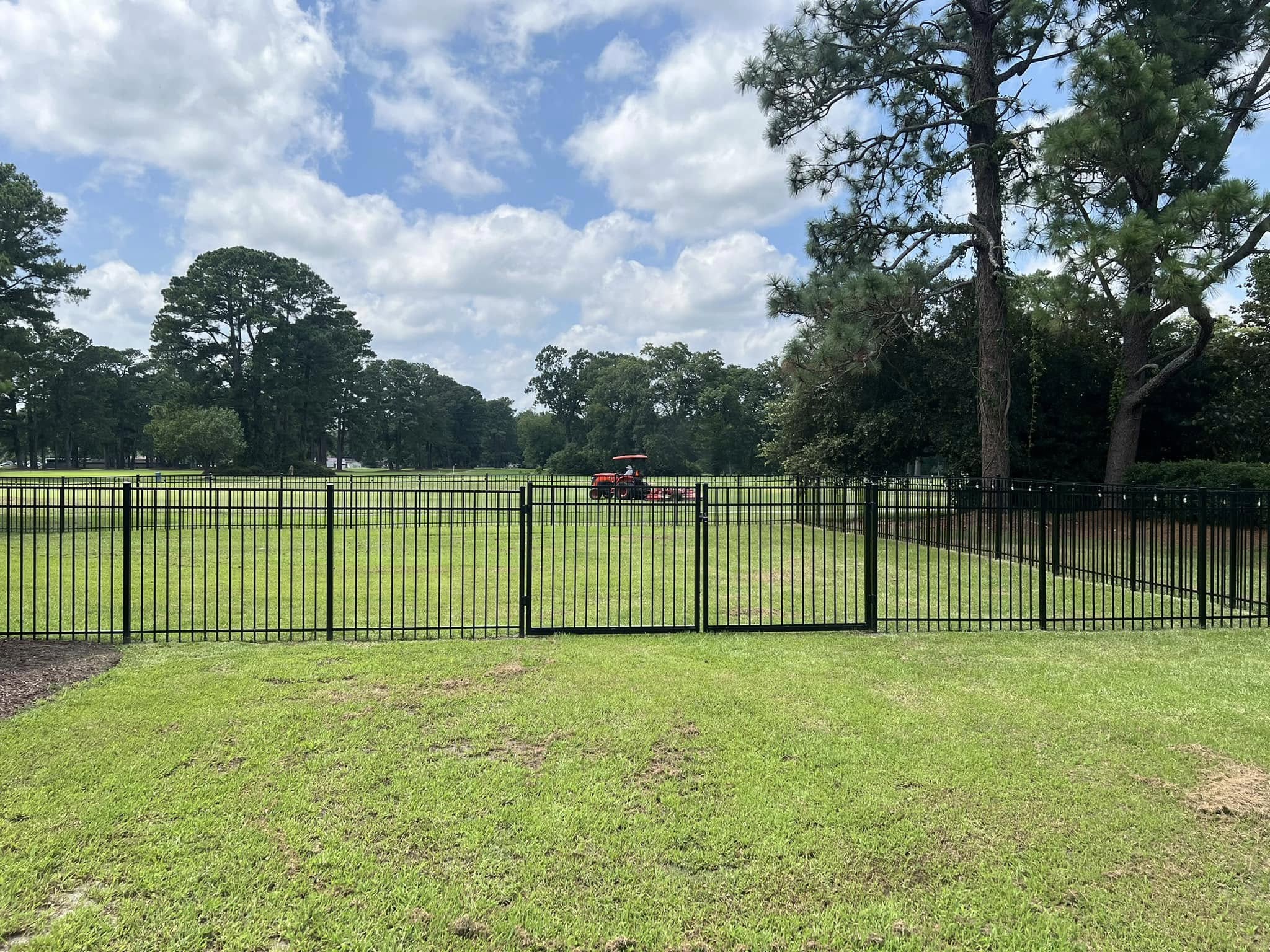
While privacy is important, it's equally crucial to maintain a connection with the outside world. For those living in areas with scenic views or beautiful landscapes, having a fence that allows for visibility can enrich the living experience. Fences designed with alternating panels or lattice work offer an excellent solution. These structures can offer partial privacy while still allowing an appreciation of the surrounding environment. You might consider a fence height of four to five feet to blend privacy with landscape visibility.
Safety is another aspect of fence height that homeowners should deliberate. Families with small children or pets need fences that offer security while still granting a view of the yard. In this case, a picket fence spanning four feet might be the ideal choice. It's tall enough to contain young children and pets but low enough to allow parents a clear view from the home. This option ensures that safety doesn't compromise aesthetics or open space.
The material of the fence also plays a role in determining height, as it impacts both the strength and the visual style of the structure. Wood offers a classic look and can be cut to varying heights to suit privacy needs. Vinyl and metal, on the other hand, provide durable, low-maintenance options available in a range of heights and styles. Ultimately, the height should complement the material to maintain balance in function and design.
Another consideration is the purpose of the fenced area. For instance, if you're enclosing a pool, there are specific code requirements regarding height to ensure safety. These typically require fences to be at least four feet tall to prevent accidental entry by children.
Finally, when deciding on the right fence height, it's beneficial to think about the long-term impact of your choice. A thoughtfully designed fence can enhance curb appeal and increase property value. On the other hand, an overly high or intrusive fence might become a point of contention with neighbors and potentially violate municipal codes, which could lead to costly alterations.
In conclusion, finding the right fence height is a balancing act between achieving desired privacy and maintaining visual openness. At TG Fencing LLC, we are committed to helping our clients make informed decisions that enhance both their lifestyle and property value. By carefully considering privacy needs, local regulations, safety, and aesthetic preferences, you can select a fence height that not only meets practical requirements but also enriches your living environment.
/filters:no_upscale()/filters:format(webp)/media/52f6930d-e2b3-48fd-8e14-3cd65812995c.jpeg)