Traditional vs. Modern Fencing: Finding Your Ideal Style Apr 17, 2026
Traditional fencing encompasses a range of styles such as wood, wrought iron, and picket fences. These designs often evoke a sense of timeless charm and elegance. Wooden fences, in particular, offer a warm and rustic look, which is perfect for those seeking a natural aesthetic. Wood’s adaptability allows for customization in height, stain color, and pattern, making it ideal for homeowners who want to personalize their fencing.
Wrought iron fences, on the other hand, are synonymous with durability and sophistication. Often associated with stately homes and gardens, wrought iron fuses aesthetics with security. It provides sturdy protection while allowing for decorative flourishes through intricate designs. However, it's worth noting that maintenance for traditional materials like wood or iron can be higher, requiring treatments to prevent rot and rust.
In contrast, modern fencing emphasizes sleek lines and minimalistic styles, often integrating innovative materials like vinyl, aluminum, and composites. Modern fences are renowned for their low maintenance requirements. Vinyl fences offer simplicity and durability, resisting weathering and pests without the need for staining or painting. This makes them a popular choice for homeowners interested in longevity and ease of care.
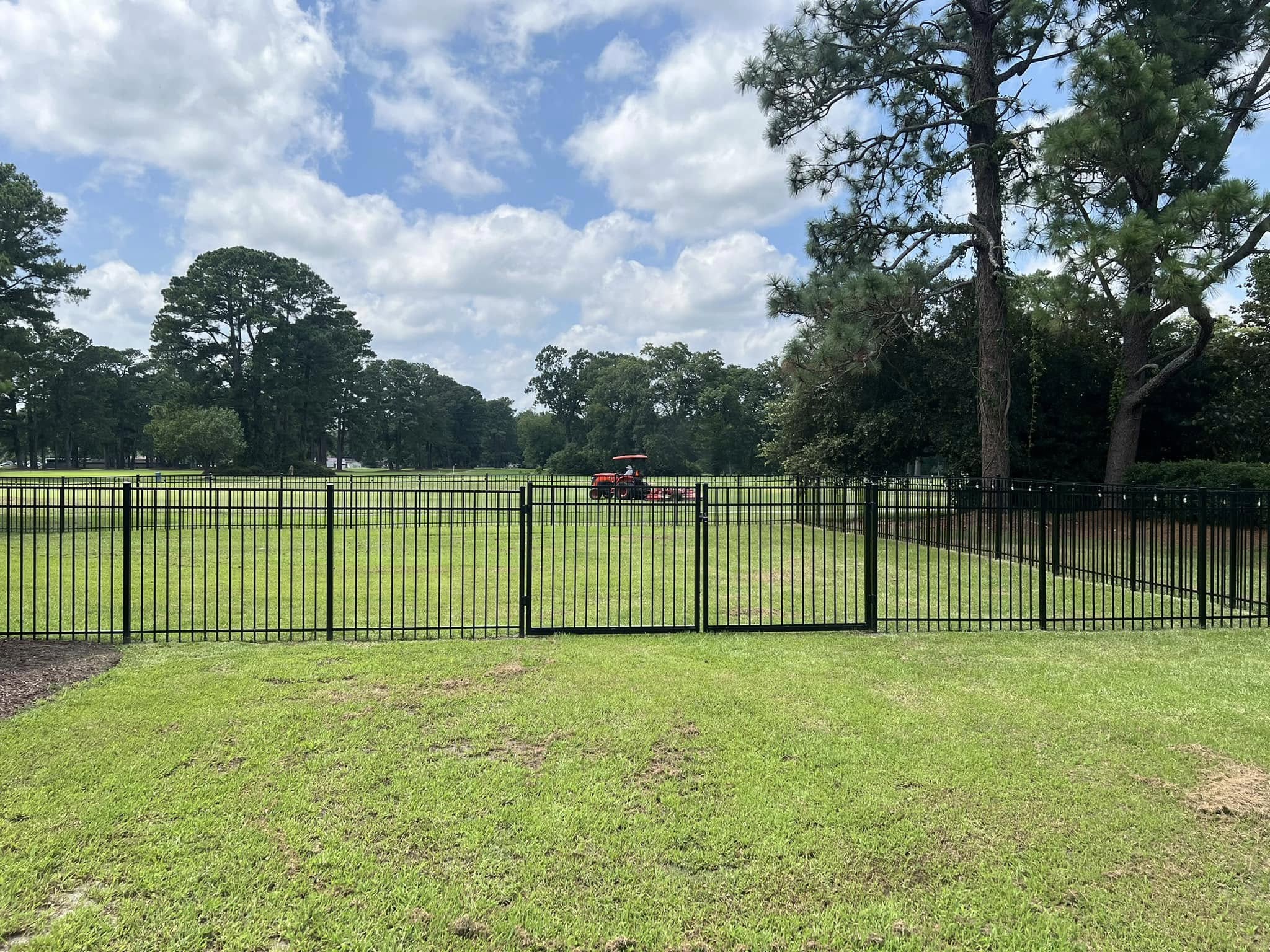
Aluminum fences present another modern alternative with their lightweight, rust-resistant nature. These fences mimic the look of wrought iron without the cost and maintenance, making them an attractive option for those desiring both style and convenience. Composites combine the best of both worlds, offering the look of wood with enhanced durability.
The decision between traditional and modern styles should also take into account your intended use of the fence. If privacy is your priority, solid wood or vinyl fences can provide the seclusion you crave. For homeowners with a focus on security, wrought iron or aluminum may offer the robust barrier you desire while maintaining visibility.
Additionally, consider your home’s architecture and the surrounding landscape. Traditional fencing may complement colonial or cottage-style homes, enhancing their classic appearance. In contrast, modern fences tend to harmonize with contemporary architecture, with their clean lines and versatile finishes enhancing minimalistic designs.
Cost is another crucial factor. While traditional fencing might have a lower initial material cost, modern fences can often present better long-term value through their reduced maintenance expenses. Evaluating your budget, along with these considerations, will guide you toward the most economical and effective choice for your property.
In conclusion, whether opting for the nostalgic appeal of traditional fences or the streamlined functionality of modern designs, TG Fencing LLC can provide expert guidance in selecting a fence that aligns with your aesthetic preferences and functional requirements. By balancing style, maintenance, and budget, you can ensure your fence is not just a physical boundary, but an extension of your home’s character. Embrace the journey to find your ideal fencing style, enhancing both the beauty and value of your property.
/filters:no_upscale()/filters:format(webp)/media/52f6930d-e2b3-48fd-8e14-3cd65812995c.jpeg)