The Role of Fencing in Landscaping: Creating Harmony with Nature Dec 31, 2025
Fencing is more than just a boundary marker; it serves as a canvas for creativity and design. By carefully selecting materials, styles, and colors, fences can seamlessly blend into the natural surroundings, creating a harmonious balance between man-made structures and nature. For instance, wooden fences, with their earthy tones and textures, offer a rustic appeal that can enhance the natural beauty of a garden. Moreover, applying environmentally-friendly finishes not only extends the longevity of the fence but also aligns with sustainable landscaping practices.
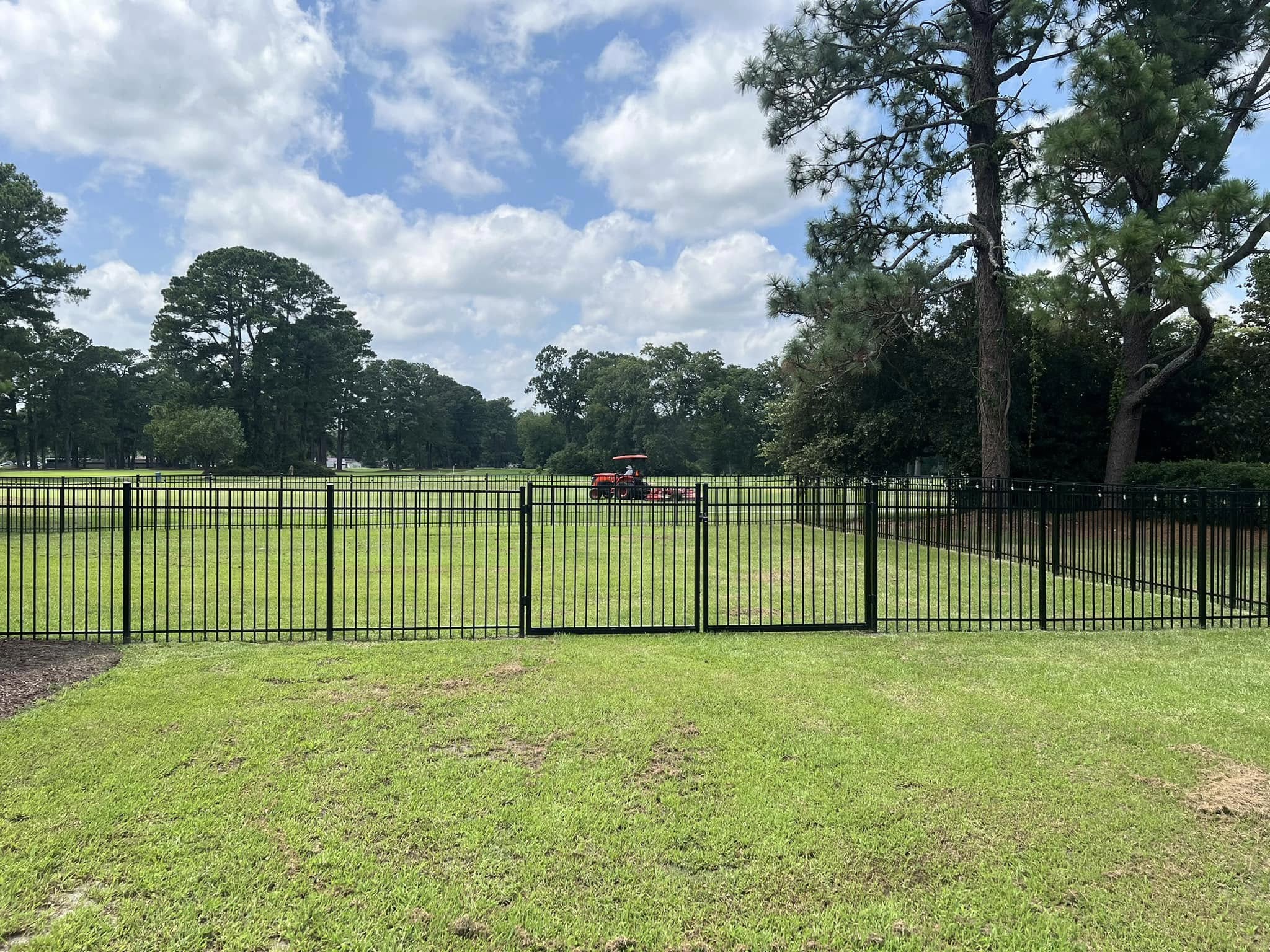
Another crucial aspect to consider is the selection of fencing styles that suit your landscape design. For properties with expansive views, a see-through fence like wrought iron can provide security without obstructing the natural scenery. Conversely, solid privacy fences may be favored in urban areas where seclusion is prioritized. No matter the choice, consider how the fence's design can complement existing elements such as trees, shrubs, and other plantings.
Integrating plants with fencing plays a significant role in landscaping. Climbing plants, such as ivy or clematis, can soften the hard lines of a fence and add lush greenery, making the fence itself a living part of the landscape. Additionally, planting hedges or shrubs along the perimeter can create a layered effect that enhances privacy while adding depth and texture to the garden.
The role of fencing extends beyond aesthetics. It can significantly impact the functionality of your garden space. For example, strategic placement of fences can create multiple outdoor "rooms," each serving different purposes, such as entertainment areas, children's play zones, or vegetable gardens. Such partitioning not only increases the utility of the space but also introduces organized diversity into the landscape design. When choosing fencing materials for utilitarian purposes, consider the durability and maintenance requirements to ensure long-lasting beauty and resilience.
Furthermore, fencing plays a crucial role in environmental conservation within landscaping. By acting as windbreaks, fences can protect delicate plants from harsh winds. They can also prevent soil erosion by providing support to loose soil in hilly terrains. For homeowners concerned with wildlife, certain types of fencing can deter animals without disrupting their natural pathways, maintaining a balance between protecting property and respecting local ecosystems.
Incorporating fencing into your landscaping project requires thoughtful planning and execution. At TG Fencing LLC, we strive to provide expert guidance and top-quality materials that meet your unique landscaping needs. By blending functionality with design, your fence can become a vital aspect of your landscape, enhancing its beauty while creating a symbiotic relationship with nature.
As you embark on your landscaping journey, remember that the right fence can serve as the perfect complement to your outdoor space. Not only does it define property lines and provide security, but it also enriches the visual and functional aspects of your landscape. We invite you to contact TG Fencing LLC to explore how our fencing solutions can help you achieve a beautiful and harmonious landscape.
/filters:no_upscale()/filters:format(webp)/media/52f6930d-e2b3-48fd-8e14-3cd65812995c.jpeg)