Choosing Sustainable Fencing Options to Protect the Environment Mar 04, 2026
Traditional fencing materials can sometimes be detrimental to the environment, from the harvesting of raw materials to production processes that involve harmful chemicals. The first step in choosing a sustainable fencing option is to understand the environmental impact of various materials. Wood, metal, and vinyl are popular choices, each with its benefits and downsides.
Wood fencing, when sourced responsibly, can be a highly sustainable option. Look for wood that is certified by organizations such as the Forest Stewardship Council (FSC), which ensures that the timber has been harvested from responsibly managed forests. Utilizing recycled or reclaimed wood can further reduce environmental impact, as it gives new life to materials that may otherwise end up in landfills.
If you prefer a modern look, consider using composite fencing, a blend of recycled wood fibers and plastic. Composite materials provide the aesthetic and durability of wood while being more resistant to weathering and insects, thus reducing the need for chemical treatments. The production of composites often uses materials that would otherwise contribute to landfill waste.
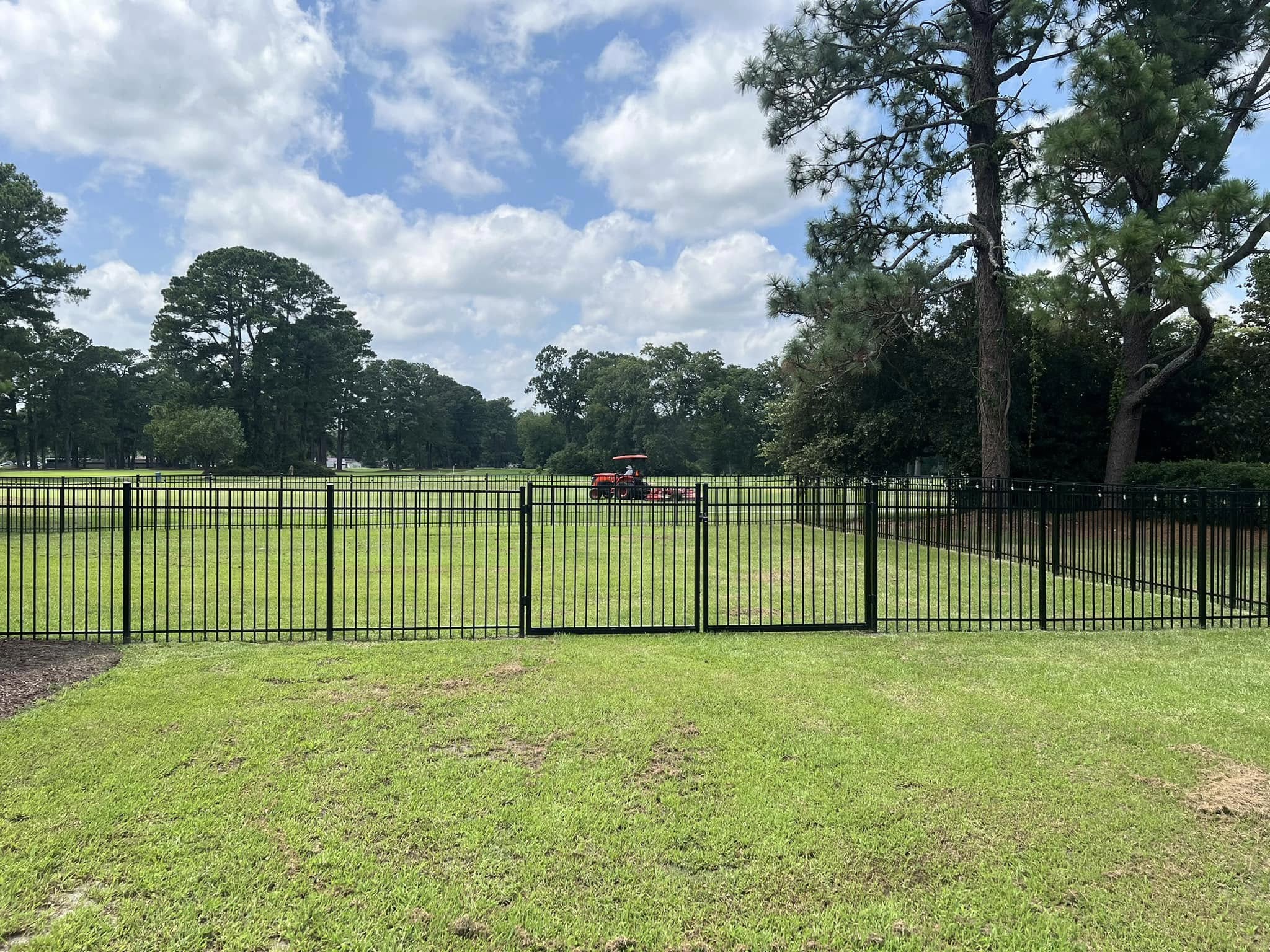
Metal fencing, particularly aluminum, offers another sustainable option. Aluminum is a recyclable material that can be infinitely repurposed without quality loss, making it an eco-friendly choice. Additionally, aluminum fencing often requires less maintenance over time, which reduces the need for paints and sealants that may contain harmful volatile organic compounds (VOCs).
Bamboo fencing is increasingly popular due to its rapid growth cycle, making it one of the most sustainable natural resources. Bamboo grows much faster than traditional timber and absorbs carbon dioxide at a higher rate. Despite its reputation as a softer material, modern treatments have made bamboo fencing both durable and pest-resistant.
Incorporating living or green fences into your property also supports environmental sustainability. These natural fences, such as thick hedges or trellises with climbing plants, can contribute to local biodiversity by providing habitats for birds and beneficial insects. They can also help reduce noise pollution and improve air quality around your home.
Before initiating your fencing project, consulting with experts like TG Fencing LLC can help you decide the most sustainable option for your needs. Our team is knowledgeable about current sustainable practices and can guide you through choices that align with your environmental values while meeting aesthetic goals.
Ultimately, selecting an eco-friendly fencing option is not only beneficial for the environment but can also enhance the appeal and value of your property. Sustainable fencing solutions allow you to protect your home while respecting and preserving the planet’s resources for future generations. By choosing wisely and investing in quality materials and design, you can enjoy a beautiful and sustainable fence for years to come.
In conclusion, making informed decisions about fencing materials plays a critical role in environmental stewardship. At TG Fencing LLC, we are here to support you in creating an outdoor space that is both stunning and sustainable, ensuring that your fencing choices contribute positively to the environment. Let's work together to build a greener, more sustainable future.
/filters:no_upscale()/filters:format(webp)/media/52f6930d-e2b3-48fd-8e14-3cd65812995c.jpeg)