A Comprehensive Guide to Choosing the Right Fence for Your Climate Jun 15, 2026
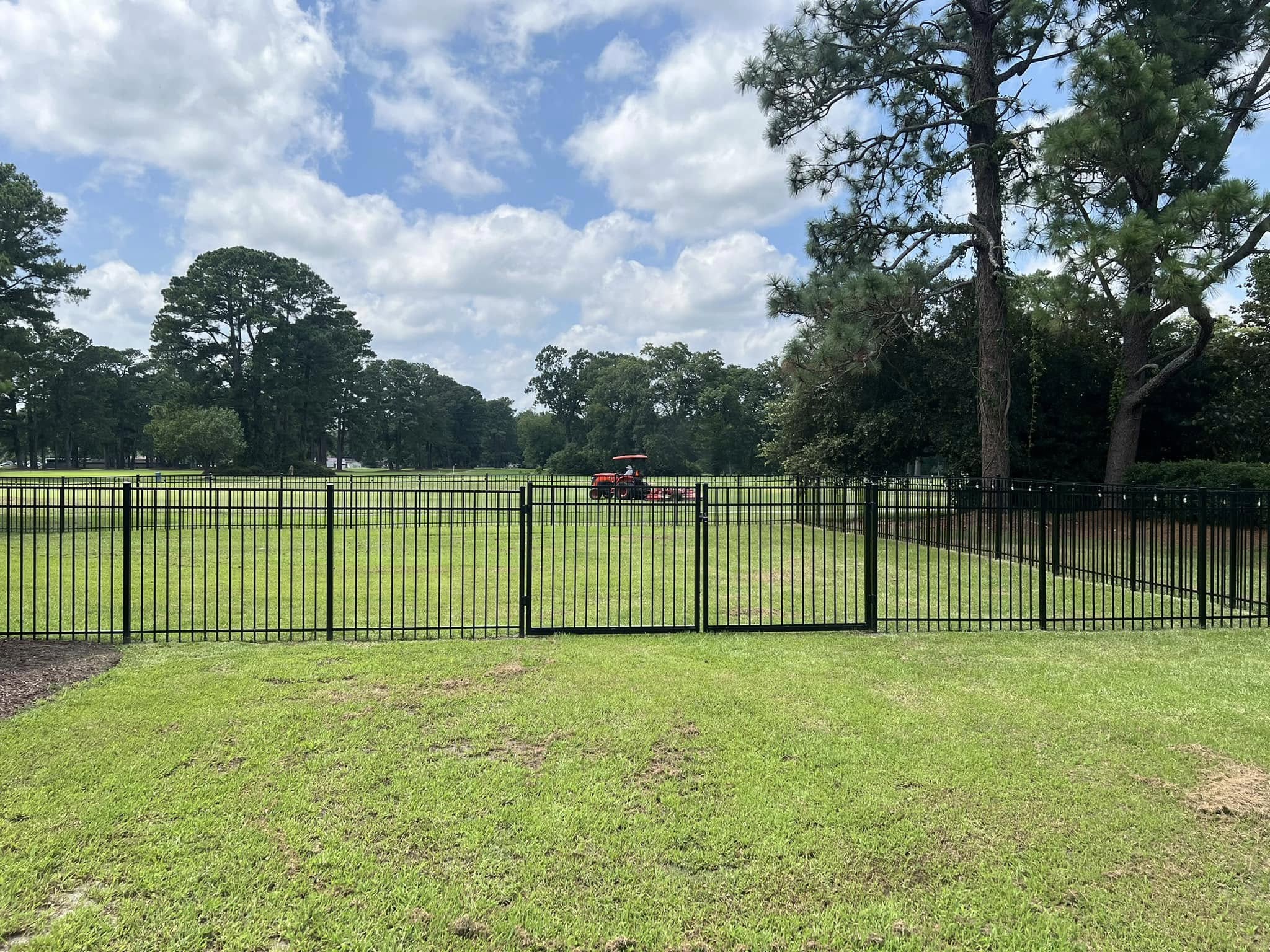
Understanding the local climate is the first step in choosing the best fence. If you live in a region with intense sunlight and high temperatures, such as the American Southwest, you will need fencing materials that can withstand prolonged exposure to UV rays without warping or fading. In such climates, vinyl and metal fences are excellent choices. Vinyl does not absorb heat, is resistant to fading, and requires less maintenance, making it an ideal option. Meanwhile, metal fences, particularly those made of aluminum or wrought iron, offer durability and can be treated with protective coatings to prevent rusting.
In contrast, residents in areas prone to heavy rainfall, like the Pacific Northwest, should consider moisture-resistant options. Wood fences treated with water-repellent finishes can work well, but require regular maintenance to prevent decay and mold. For less upkeep, consider using composite fencing or pressure-treated wood, which resists rot and insect damage better in wet climates. For those seeking near-zero maintenance, choosing PVC or aluminum could serve well in keeping your property secure and stylish without the battle against moisture.
In regions that experience frigid temperatures and snowfall, such as the Northeast and Midwest, fences must endure repeated freeze-thaw cycles and heavy snow loads. In these harsher climates, metal fences such as wrought iron or galvanized steel prove advantageous due to their ability to hold their ground in icy conditions. It's important to ensure they have a protective powder coating to guard against corrosion. Despite these advantages, if you favor wood for its warmth and aesthetic, cedar wood or redwood with a high oil content naturally resists deterioration from moisture even under blanket snow coverage.
For geographical locations with strong winds, like the coasts of the Gulf of Mexico, having a fence that allows wind to pass through while maintaining structural integrity is key. Here, chain-link fences can provide longevity and strength against gusts, while designs offering spaced slats on wood or vinyl can reduce wind resistance, protecting your fence from blowing over. Reinforced steel posts provide additional support and are an excellent anchor against tough windstorms.
Energy efficiency may also be a consideration. In climates where temperature control is vital, the right fence can act as a barrier, reducing heating and cooling costs. Dense fence materials that limit airflow, such as brick walls or tightly constructed wooden privacy fences, keep heat inside during winters and block excessive warmth during sizzling summers.
In conclusion, choosing the right fence for your climate not only protects your investment but also ensures longevity and optimal performance. TG Fencing LLC is dedicated to helping you navigate these choices, providing expert insights and tailored solutions that meet both your environmental challenges and personal design preferences. Selecting a climate-appropriate fence will not only enhance your property's worth and security but also reduce maintenance efforts, allowing you to enjoy a stress-free outdoor living space for years to come.
/filters:no_upscale()/filters:format(webp)/media/52f6930d-e2b3-48fd-8e14-3cd65812995c.jpeg)